


Sourcing gas detection equipment is a safety-critical decision. The wrong specification can mean slower detection, false alarms, or failed certification audits. This guide covers what matters most.
1. Identify Your Target Gas
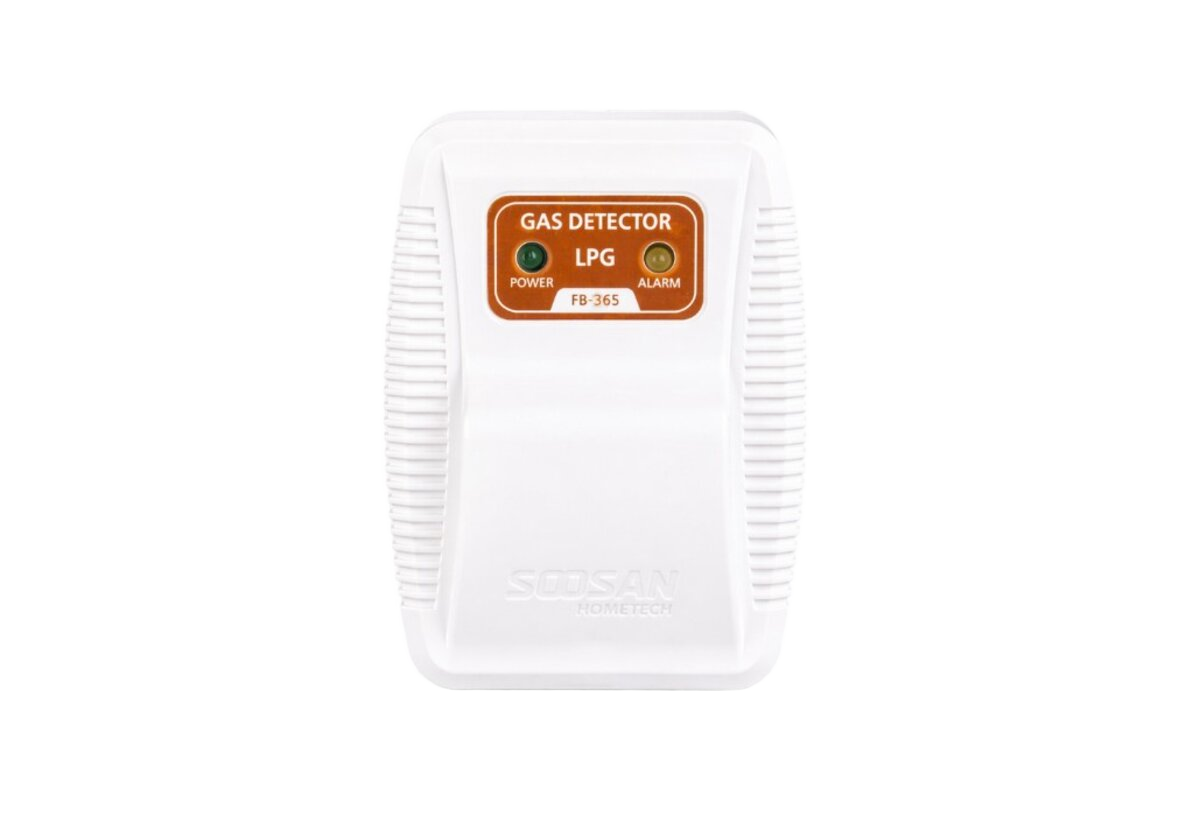
The single most important specification is which gas you need to detect. Commercial environments typically involve LPG, Natural Gas (Methane), CO (Carbon Monoxide), or multi-gas scenarios. A detector calibrated for LPG will not reliably detect natural gas at the same concentration thresholds.
2. Understand LEL Thresholds
LEL stands for Lower Explosive Limit — the minimum concentration at which a gas can ignite. Industry best practice: 10–25% LEL for first alarm, 50% LEL for second alarm and shutoff trigger.
3. Check Certification Standards
For most markets, you need at minimum: KGS (Korea Gas Safety), KC (Korean Conformity), and CE (Europe). For fire-rated installations, add KFI certification.
4. Sensor Technology
Semiconductor sensors are lower cost but less precise. Catalytic bead sensors are more accurate for LEL measurement. Electrochemical sensors are standard for CO detection.
5. Installation Environment
Indoor residential, commercial kitchen, and industrial settings each have different ingress protection (IP) requirements, temperature ranges, and humidity tolerances.
6. Response Time
Alarm response time should be under 30 seconds for most commercial applications. Verify the T90 value (time to reach 90% of final reading) in the datasheet.
7. System Integration
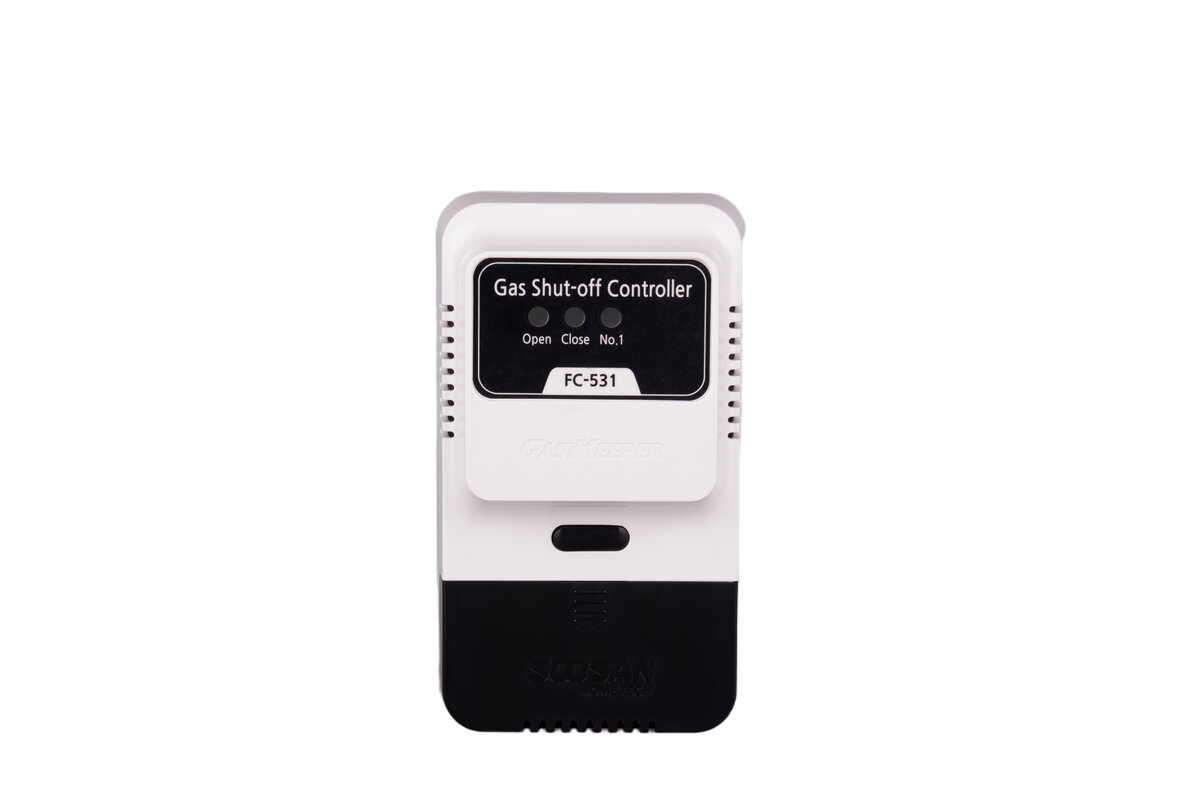
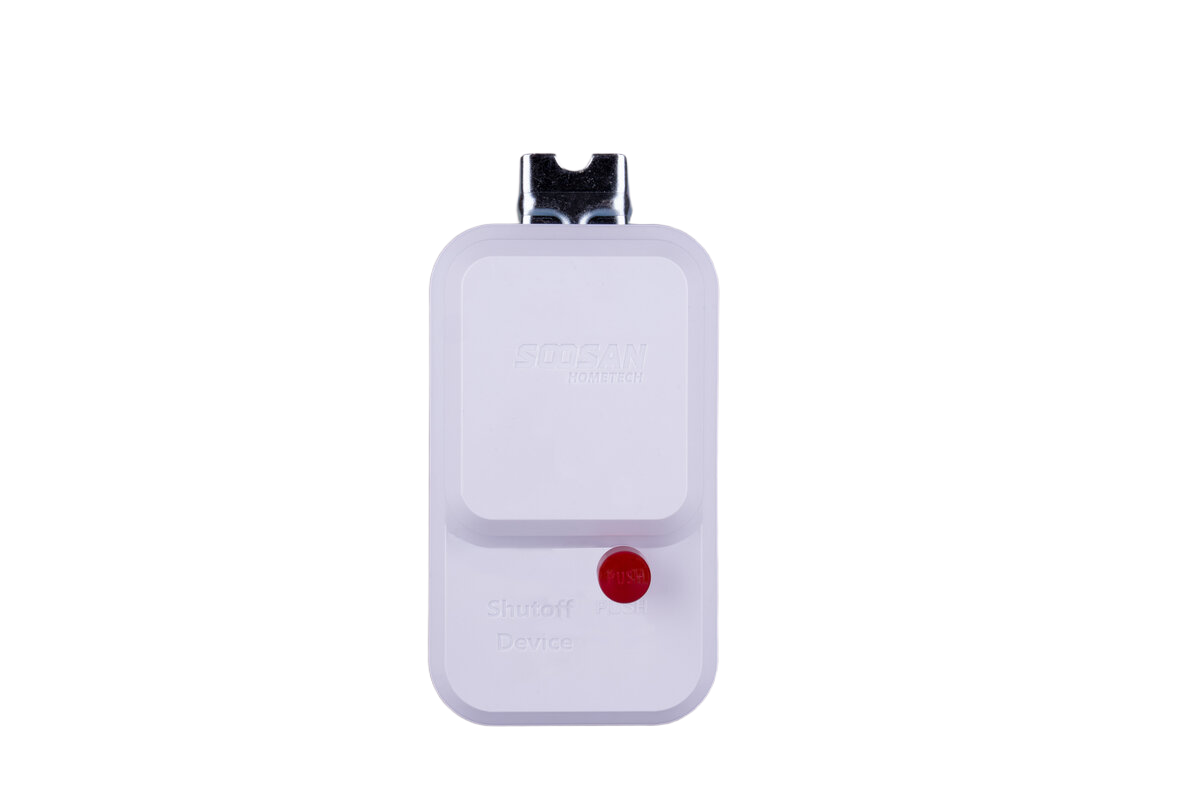
Will the detector stand alone or connect to a controller and automatic shutoff valve? Confirm the output signal type: relay, 4-20mA, RS-485, or proprietary protocol.